Access issues for Elephant and Castle flats rubbish collection
Posted on 07/10/2026
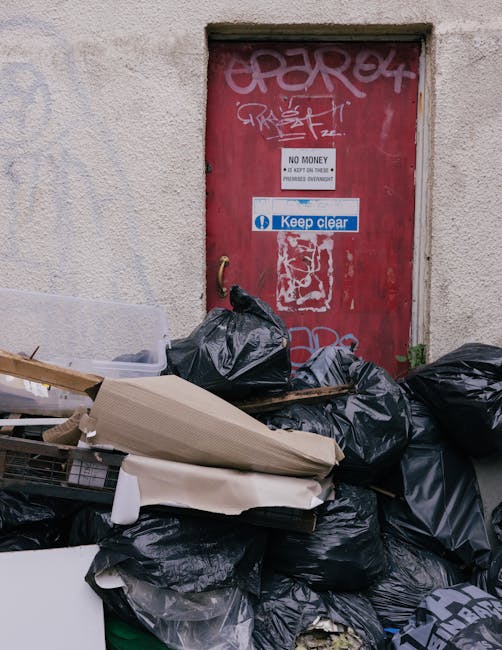
If you live in a flat in Elephant and Castle, you probably already know the drill: tight stairwells, limited parking, locked gates, and the occasional lift that seems to have a personal grudge. Access issues for Elephant and Castle flats rubbish collection are more common than people expect, and they can turn a straightforward clearance into a slow, frustrating job if they are not planned properly.
This guide breaks down what access problems look like in real life, why they matter, and how to deal with them without making the whole thing more complicated than it needs to be. Whether you manage a block, own a rental flat, or just need a bulky collection sorted, you will find practical steps, local context, and a few hard-earned tips that save time and hassle. Let's face it, rubbish is rarely the problem; access usually is.
Why Access issues for Elephant and Castle flats rubbish collection Matters
Access problems are not a small side issue. In dense parts of South London like Elephant and Castle, many flats sit above shops, around internal courtyards, behind security doors, or down narrow service routes. A van may be parked legally but still be too far from the lift. A bulky item may fit through the front door but not around a corner. And a collection that should take twenty minutes can drag on because nobody has the right key, code, or parking space.
That matters for a few reasons. First, delays cost time, and time costs money. Second, poor access can increase the risk of damaged walls, broken lift panels, or injuries while moving heavy waste. Third, rubbish left out too long can attract complaints from neighbours, especially in shared blocks where bins, corridors, and loading bays are already under pressure.
In our experience, most access issues are not dramatic. They are the everyday sort: a missing concierge, a keypad code that changed last week, a refuse store that is technically there but impossible to turn into with a loaded trolley. Nothing glamorous. Still, these small blockers can have a big effect on whether the job goes smoothly.
Key point: in flat collections, good access planning often matters more than the volume of rubbish itself. If the route in and out is clear, the rest usually falls into place.
For residents and landlords, solving access also reduces repeat visits and helps avoid awkward moments where waste has to be left behind. Nobody wants that. Not the tenant, not the building manager, and definitely not the crew trying to work round a half-open gate in the rain at 8:15 in the morning.
How Access issues for Elephant and Castle flats rubbish collection Works
At a practical level, access is everything that allows a collection team to get from the vehicle to the waste and back again without unnecessary obstruction. That includes parking space, doorway width, stair access, lift use, entry codes, concierge support, operating hours, and any building rules about where waste can be staged.
For flat-based rubbish collection, the process usually looks like this:
- The customer explains the access setup before booking.
- The team checks whether the vehicle can stop close enough to the entrance.
- Building-specific details are confirmed, such as key fobs, call boxes, loading bays, or one-way systems.
- Waste is assessed for size, weight, and how many people may be needed to move it safely.
- The collection is carried out using the most practical route available, with care for communal areas and other residents.
That sounds simple enough, but the detail matters. A building might allow deliveries through a side gate only before 10am. A lift may be too small for a sofa unless it is broken down first. A basement store might have no signal, which means a call on arrival becomes a faff. You know how it goes.
Good providers typically ask about things like:
- floor level and whether there is a lift
- parking restrictions, permits, or loading bays
- entry controls, reception hours, and security procedures
- distance from parking to waste location
- heavy or awkward items such as mattresses, wardrobes, or appliances
- any local restrictions on collection times
If you are preparing a flat collection, being specific beats being vague every time. "It is easy access" can mean very different things to different people. To one person it means a ground-floor flat with a bin store by the road. To another it means a fourth-floor walk-up with a narrow spiral stair and a lift that only fits shopping bags and hope.
Key Benefits and Practical Advantages
Sorting access properly does more than save time on the day. It improves the whole experience and usually makes the final cost and timing more predictable. That is especially useful in Elephant and Castle, where busy streets, managed developments, and ongoing building work can make logistics a bit unpredictable.
Fewer delays and failed visits
When access is clear, crews can plan the right vehicle, the right number of staff, and the right arrival window. That means fewer "we were outside but could not get in" situations. Those are frustrating for everyone, and they are often avoidable with a little prep.
Lower risk of damage
Dragging a heavy fridge through a cramped landing or squeezing a divan round a tight corner is how scuffed paint, chipped plaster, and scratched flooring happen. Proper access planning protects both the property and the people doing the lifting.
Better neighbour relations
In shared blocks, the nicest thing you can do is keep the process tidy and short. No bags abandoned in the corridor, no loading noise dragging on for ages, no blocked entrance. People notice that. More than they say, usually.
More accurate quoting
When access is explained properly, a collection can be priced more accurately. That matters if you are comparing options or trying to avoid surprises. A clear description of the route, floor level, and waste type is far more useful than "a few bits and pieces."
Safer lifting and handling
Access planning helps determine whether heavy items can be moved manually, need to be dismantled, or require two people instead of one. That is not just a convenience issue; it is a basic safety issue.
Practical takeaway: the easier the access, the less likely the collection is to run late, cost extra, or create mess in a communal area. Simple, but true.
Who This Is For and When It Makes Sense
This topic is relevant to a lot more people than you might think. If your waste sits inside a flat or a managed block rather than at the kerb, access will almost certainly shape how the job is done.
- Tenants who need a one-off bulky item removed before moving out.
- Landlords arranging clearance after a tenancy ends.
- Letting agents handling end-of-tenancy waste in a hurry.
- Block managers dealing with overflow in shared bin stores or abandoned items.
- Homeowners in apartment buildings with strict concierge or parking rules.
- Businesses in mixed-use blocks where access is shared with residents.
It also makes sense whenever the waste is not easy to reach. That includes anything in basements, upper floors, internal courtyards, or secure developments. If the collection team cannot simply pull up, hop out, and load in a straight line, access needs discussing early.
There is also a timing issue. If you are trying to clear a flat before a handover, inventory check, or renovation start date, access can become the difference between staying on schedule and scrambling at the last minute. A small delay at the entrance has a way of spreading through the whole day.
Step-by-Step Guidance
Here is a practical way to handle access issues without overcomplicating the process.
1. Describe the building as clearly as possible
Start with the basics: floor level, lift availability, parking, and how the waste is stored. Mention whether the flat is in a block, above a shop, inside a gated development, or down a rear alley. That one detail alone can change the plan.
2. Check the route from flat to vehicle
Walk the route if you can. Look for pinch points, fire doors, narrow stair turns, bin room access, and any steps or ramps. Even a short route can be awkward if there is a locked gate halfway through.
3. Confirm building access requirements
Ask about keys, codes, concierge cover, intercoms, loading rules, and any need for advance notice. If a porter has to let the team in, make sure the time is confirmed. A very ordinary detail, but an important one.
4. Identify heavy or awkward items early
Fridges, washing machines, wardrobes, mattresses, and dismantled furniture can affect how many people are needed and whether the item will fit through doors or lifts. Be honest about size. "Should fit" is not the same as "does fit."
5. Tell the team about parking and timing constraints
Some streets and estates in Elephant and Castle have strict parking controls or limited stopping options. If there is a loading bay, say so. If the team may need a permit, note that too. A five-minute stop can become a thirty-minute headache if parking is not discussed beforehand.
6. Keep communal areas clear
If you are staging waste for collection, avoid blocking hallways, exits, or shared landings. It sounds obvious, but when you are rushing, it is surprisingly easy to create a nuisance without meaning to.
7. Leave a contact number that works on the day
When access depends on someone being available to open a door or confirm a code, a reachable phone number matters. A lot. In the real world, people run late, get distracted, or are stuck in another part of the building. Fair enough. But the team still needs to get in.
And if the waste needs to move through shared areas, one helpful thing you can do is take a quick photo of the route and send it ahead of time. It is not fancy, but it often saves a lot of back-and-forth.
Expert Tips for Better Results
These are the details that tend to separate a smooth collection from a muddled one.
- Send photos of the items and the access route. A picture of the stairwell, lift, or communal entrance is often more useful than a paragraph of description.
- Book with buffer time if the block is busy. In a fast-moving area, access windows can shift if a delivery van blocks the entrance or someone forgets to leave the gate unlocked.
- Ask whether items can be dismantled first. Removing a table leg or taking apart a bed frame can turn a difficult job into a manageable one.
- Check if the lift is actually usable for bulky waste. Some lifts are too small, too fragile, or restricted by building rules. Looks fine on paper, not so fine with a wardrobe.
- Keep the waste dry if possible. Wet cardboard, soaked upholstery, and muddy bags make lifting harder and messier.
- Use clear labels for mixed loads. If recycling, furniture, and general waste are mixed in one room, marking items can speed sorting on arrival.
One small but useful habit: if you know the access is fiddly, mention the worst part first. Not the best part. Not the "there's a lift, sort of" part. The worst part. That is the bit that shapes the job.
Also, if your building has a concierge or estate office, a polite heads-up the day before can go a long way. It avoids that awkward pause at the door where everyone looks at each other and nobody wants to press the wrong buzzer.

Common Mistakes to Avoid
Most access problems are preventable, which is the annoying bit. The tricky thing is that they often start with a tiny assumption.
Being vague about the location
"It is a flat in Elephant and Castle" is not enough. The difference between a high-rise block, a mansion conversion, and a mixed-use estate can be huge for collection planning.
Assuming the lift will solve everything
Sometimes it does. Sometimes it does not. A lift may be too small, out of service, or not approved for waste movement. Always check rather than hoping for the best.
Forgetting about parking and loading rules
Plenty of jobs get delayed because a vehicle cannot stop safely near the building. A collection team can only work with the access that actually exists, not the access everyone wishes existed.
Leaving heavy items in awkward places
If a bed base is wedged behind a sofa in a storage cupboard, tell someone before collection day. The team can plan around it, but they cannot read minds. Shame, really.
Not mentioning security controls
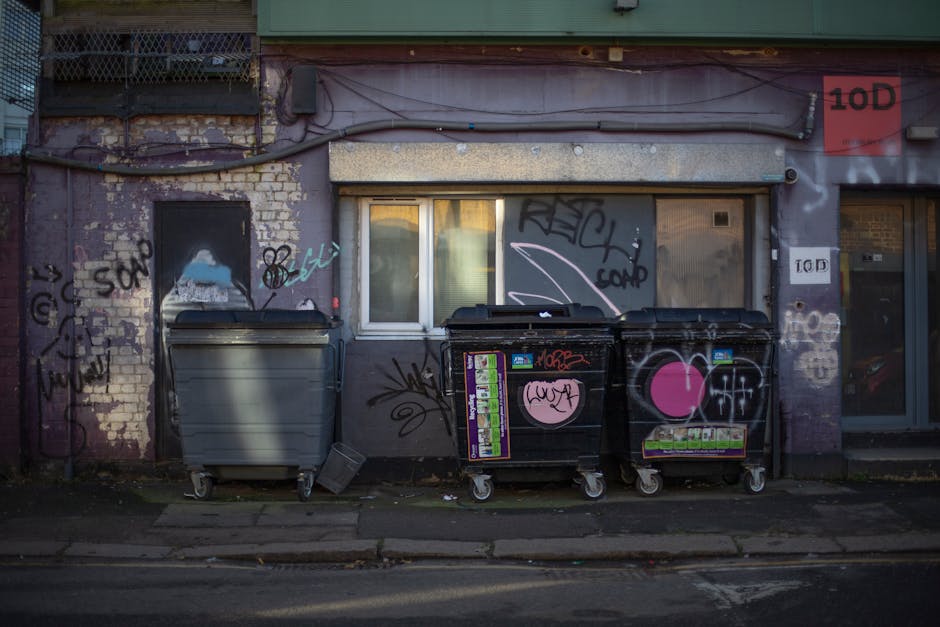
Gated entrances, intercom systems, coded lifts, and staffed reception desks all affect arrival. If entry depends on someone else being there, say so clearly.
Underestimating the impact of communal spaces
A lot of flats in Elephant and Castle share corridors, lobbies, and bin stores. A collection might be straightforward once inside, yet still be awkward if there is no suitable place to stage the waste.
Short version: the biggest mistake is assuming "small job" means "simple access." Often it does not.
Tools, Resources and Recommendations
You do not need specialist equipment to prepare for a flat rubbish collection, but a few basic tools and habits help a lot.
- Measuring tape: useful for checking whether furniture will fit through doorways, stair turns, or lifts.
- Phone camera: take quick photos of access points, parking bays, and bulky items.
- Notepad or phone notes: jot down gate codes, concierge hours, and parking restrictions.
- Basic tools for dismantling: an Allen key set, screwdriver, or spanner can help with beds and flat-pack furniture.
- Strong bin bags or rubble sacks: good for loose waste, but only if they can be carried safely and do not split.
For anyone comparing providers, it also helps to review company pages that explain service scope, pricing, payment handling, and compliance. For example, you can look at the services overview to see what kinds of waste removal are covered, or review pricing and quotes if you want a clearer idea of how jobs are estimated. If you are checking how a company handles legal waste movement, waste carrier licence and compliance is worth reading too.
If the job involves a whole flat, furniture, or a mixed load, those pages can help you understand what to expect before you book. And if you are just trying to avoid a last-minute scramble, that alone is valuable.
Law, Compliance, Standards, or Best Practice
Access issues are partly practical and partly about doing things properly. In the UK, waste handling has to be managed responsibly, and that includes safe movement, lawful disposal, and respect for shared property. You do not need to become a legal expert to arrange a collection, but it helps to know the broad expectations.
Best practice usually means:
- moving waste without blocking fire exits or communal escape routes
- avoiding damage to shared areas, doors, lifts, and stairwells
- using properly authorised waste carriers
- keeping clear records where needed for business or landlord purposes
- sorting waste sensibly when recycling or reuse is possible
If a block has its own access rules, those matter too. Managed developments often have requirements about delivery times, lift protection, booking systems, and who can enter resident areas. Those are not just "nice to have" preferences. They are part of how the site operates day to day.
For residents and landlords, it is also worth being careful with waste left in communal spaces. Even if the intention is to move it later, abandoned items can become a trip hazard or a source of complaint very quickly. Truth be told, most problems start with good intentions and bad timing.
If you want to understand broader company standards, the pages on insurance and safety, recycling and sustainability, and terms and conditions are useful supporting reads. They help you see how a provider handles responsibility, environmental care, and service expectations.
Options, Methods, or Comparison Table
There is no single right way to handle access problems. The best method depends on the building, the waste type, and how quickly you need it gone.
| Method | Best for | Pros | Watch-outs |
|---|---|---|---|
| Kerbside collection only | Ground-floor or easy-to-reach waste | Simple, quick, less handling | Not suitable if items are inside a flat or behind secure access |
| Lift-assisted flat collection | Blocks with usable lifts and clear routes | Good for heavier loads, less stair carrying | Lift size, booking rules, and building permissions can limit use |
| Stair carry collection | Upper floors without a lift | Works in older buildings and walk-ups | Slower, more physical, may need extra staff for heavy items |
| Dismantle-first approach | Large furniture or tight access routes | Makes awkward items easier to remove | Needs time and tools, and not everything can be safely dismantled |
| Pre-staged waste in a bay or loading area | Managed estates with approved staging space | Can speed collection day | Must not block access or breach site rules |
In many Elephant and Castle flats, the most practical setup is a hybrid of two methods. For instance, a tenant may dismantle a bed frame in advance, stage the parts in a managed bin area, then have the remainder collected from inside the flat. That kind of compromise is often what keeps things moving.
It is worth noting that "cheapest" is not always "best." A low-cost option that cannot physically reach the waste ends up being expensive in a different way. A real classic, that one.
Case Study or Real-World Example
Imagine a top-floor flat in a modern Elephant and Castle block. The tenant is moving out, the lift is shared with residents, and the building requires buzzer entry plus a concierge sign-in. There is a sofa, a mattress, two bags of mixed household waste, and a small chest of drawers that needs to go.
At first glance, it sounds straightforward. But there are three access issues hiding in plain sight: the lift is small, the concierge closes for lunch, and there is no legal parking directly outside the block. If nobody flags those details, the collection team may arrive to find they cannot get close enough to load efficiently.
The sensible approach is to:
- confirm concierge cover and entry procedure
- check whether the lift can take the mattress and sofa parts
- ask the tenant to dismantle the chest of drawers in advance
- arrange a legal stopping point or nearby loading space
- time the visit for a period when the building is easiest to access
In practice, this turns a potentially awkward job into a manageable one. The flat is still on the tenth floor, the corridor is still a bit narrow, and someone still has to carry the mattress carefully. But the job becomes predictable. That is the real win.
We have seen this kind of situation often enough to know the pattern: once access is mapped out, the stress drops almost immediately. The air in the hallway changes, for want of a better phrase. Less rushing, less guessing, fewer interruptions.
Practical Checklist
Use this checklist before collection day. It is simple, but it catches most of the avoidable problems.
- Confirm the full flat address and floor level.
- Note whether there is a lift and whether it is usable for bulky items.
- Check if the collection vehicle can stop nearby.
- Identify any parking, permit, or loading restrictions.
- Share gate codes, buzz-in instructions, or concierge details.
- Measure large furniture and compare it with doors and stair turns.
- Tell the provider about fragile shared areas, such as glass lobbies or painted corridors.
- Separate items if recycling or reuse may apply.
- Make sure someone is available by phone on the day.
- Keep communal routes clear and safe.
If you can tick most of those off, you are in good shape. If not, do the awkward bits first. They are usually the bits that matter most.
Conclusion
Access issues for Elephant and Castle flats rubbish collection are usually less about the waste itself and more about the path to it. Once you understand the building layout, entry rules, parking limits, and item sizes, the whole process becomes much easier to manage.
The real trick is simple: be specific early, not vague later. Share photos, mention the awkward details, and plan around the building rather than hoping the building will adapt for you. A bit of preparation goes a long way in a busy part of London, especially where flats, security systems, and shared spaces all overlap.
If you are dealing with a one-off clearance, a move-out, or a stubborn bulky item in a shared block, take the time to sort access properly. It will save stress, reduce delays, and make the job feel much more under control. And honestly, that is half the battle.
Get a free quote today and see how much you can save.


 Tipper Van - Rubbish Removal and Waste Clearance Prices in Elephant and Castle, SE1
 Luton Van - Rubbish Removal and Waste Clearance Prices in Elephant and Castle, SE1