Aylesbury Estate flat clearance rubbish services in SE17
Posted on 14/07/2026

Aylesbury Estate Flat Clearance Rubbish Services in SE17: A Practical Local Guide
If you are dealing with a flat clearance in Aylesbury Estate, you already know it is rarely just a matter of "throwing a few things out." There may be bulky furniture, awkward stairwells, mixed rubbish, old appliances, and a tight timeframe because a tenancy is ending, a sale is moving, or a family member has finally decided enough is enough. Aylesbury Estate flat clearance rubbish services in SE17 are designed for exactly that kind of job: fast, careful, organised removal without turning the whole day into chaos.
This guide explains how the process works, what to expect, who it suits, and how to avoid the common mistakes that cost time, money, or goodwill with neighbours. It also covers compliance, practical planning, and the small local details that often make the biggest difference. Let's face it, clearing a flat is never just about waste. It is about getting a space back under control.
Why Aylesbury Estate flat clearance rubbish services in SE17 Matters
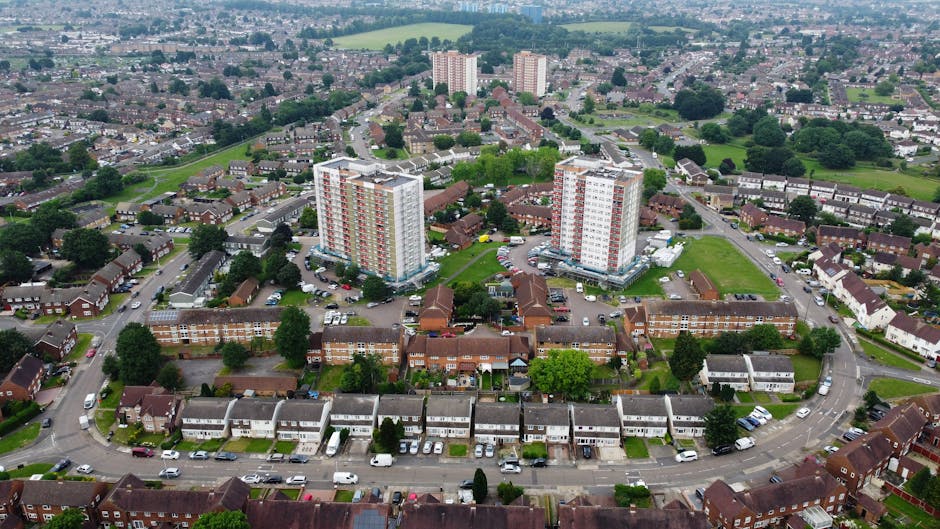
Aylesbury Estate is a dense residential environment, and that changes the game. Flats often have shared access, limited parking, lift restrictions, narrow corridors, and neighbours who will notice if rubbish is left in communal areas even briefly. A clearance that works perfectly in a suburban house can fall apart in a high-density estate if it is not planned properly.
That is why a flat clearance service matters so much here. It is not simply about hauling away unwanted items. It is about doing it in a way that respects the building, the residents, and the time pressure that usually comes with the job. In SE17, where people are often balancing moves, refurbishments, void periods, or probate arrangements, speed and order matter just as much as removal itself.
There is also a practical side that is easy to overlook. When rubbish piles up, it can block doorways, attract pests, create trip hazards, and make a flat hard to inspect, let alone sell or re-let. If you have ever opened the front door to a room full of broken furniture, bagged junk, and a fridge that clearly should have left three months ago, you know the feeling. A proper clearance resets the space. Clean slate. Simple as that.
For readers considering the wider area and property context, these local guides may also be useful: is Elephant and Castle a good neighborhood to live in, realty sales in Elephant and Castle, and wise investments in Elephant Castle property.
How Aylesbury Estate flat clearance rubbish services in SE17 Works
Most clearance jobs follow a fairly similar pattern, though the exact approach depends on the property layout, the volume of waste, and whether the items need sorting into different waste streams. In practice, the best services make the process feel straightforward. It should not feel like a military operation, even if it is a bit busy on the day.
Usually, the job starts with an assessment. That might be done from photos, a quick call, or an on-site look if the clearance is large or access looks tricky. The aim is to understand what is being removed: general household rubbish, furniture, white goods, builders' debris, garden waste, or a mix of everything. A mixed load is common in flat clearances, especially after a move-out or a long tenancy.
Next comes scheduling. In estate settings, this is more important than people think. A good plan will consider parking, loading access, lift use, building rules, and whether items need to be carried down stairs. If there is no lift, or it is out of order, the team needs to know before arriving. Nobody enjoys finding that out with a wardrobe halfway down the landing.
On the day, items are sorted, carried out safely, loaded, and taken for disposal, reuse, or recycling where possible. A trustworthy clearance team will not just dump everything together and hope for the best. The better operators separate reusable items, recyclable materials, and waste that needs specialist handling. If you want a broader view of the company's approach, the services overview and waste disposal in Elephant and Castle pages help show how different clearance needs are handled.
For smaller clearances, the job may only take a short time. For larger flats, especially if there is bulky furniture or several rooms to clear, it can take longer. The point is not speed at all costs. It is controlled removal, with no mess left behind and no unnecessary fuss.
Key Benefits and Practical Advantages
There are plenty of reasons people choose a dedicated flat clearance service instead of trying to do everything themselves. The obvious one is convenience, but there is a bit more to it than that.
- Saves physical effort: Large items like sofas, wardrobes, and mattresses are awkward in flats. If you have ever tried to angle a broken table through a narrow stairwell, you know the joy of gravity working against you.
- Reduces delay: A professional team can usually clear far more efficiently than a piecemeal DIY approach.
- Improves compliance: Waste is handled through proper channels rather than left in communal spaces or disposed of incorrectly.
- Helps with landlord or sale deadlines: A clear flat is easier to inspect, refurbish, photograph, or hand over.
- Minimises neighbour disruption: Good planning reduces noise, blockages, and avoidable commotion in shared spaces.
- Supports recycling: Reuse and recycling can be built into the process instead of treated as an afterthought.
For many people, the biggest benefit is simply headspace. Clearing a flat that has been cluttered for months or years can feel oddly emotional. Once the heavy stuff is gone, you can see the place properly again. It is a small thing, but not really small at all.
Where furniture or bulky household items are part of the job, you may also find these useful: furniture removal in Elephant and Castle and furniture disposal in Elephant and Castle. For appliance-heavy clearances, white goods and appliance disposal is worth checking too.
Who This Is For and When It Makes Sense
Aylesbury Estate flat clearance rubbish services in SE17 are useful for a wide mix of people. It is not just for landlords or estate agents, though they are certainly among the most common users. In real life, the need tends to appear at moments that are already busy enough.
Private tenants may need help after a move when the flat contains broken furniture, leftover household waste, or items that will not fit into a normal car. Landlords often need a rapid clearance between tenancies, especially if a property has been left with unwanted furniture or mixed rubbish. If you are managing a rental locally, the article on rubbish removal SE17 Walworth Road tips for landlords is a handy companion read.
Homeowners use clearance services when downsizing, renovating, or dealing with a bereavement. Letting agents and property managers often need fast turnaround and reliable access planning. And then there are the less glamorous, very real cases: a loft full of forgotten boxes, a post-builder's mess after a small refurb, or a flat where the previous occupier left a jungle of black bags and old chairs.
It also makes sense when the job is bigger than the time or resources available. If you can do it safely yourself, fine. But if you are looking at multiple bulky items, heavy lifting, or a deadline that is already breathing down your neck, a service is usually the smarter move. Why make a hard job harder?
Step-by-Step Guidance
If you are planning a flat clearance, the process goes much more smoothly when you break it into clear steps. A little structure saves a lot of last-minute panic.
- Walk through the flat. Make a quick note of everything that needs removing. Separate what stays, what goes, and what might need special handling.
- Identify bulky or difficult items. Sofas, mattresses, wardrobes, white goods, damaged beds, and old flooring offcuts can change the quote and the access plan.
- Check access and building rules. Look at parking, lift availability, loading points, and any restrictions on moving items through shared areas.
- Decide what can be reused or recycled. Some items may be suitable for reuse, while others need disposal. Mixed loads should still be managed carefully.
- Request a clear quote. Make sure the price is based on the actual volume and type of waste, not guesswork.
- Prepare the space. If possible, gather loose rubbish into one area and keep important items separate. This sounds basic, but it saves time.
- Clear on the day. Keep pathways open and let the team work methodically. A calm job is usually a cleaner job.
- Do a final check. Look in cupboards, behind doors, on balconies, and in utility spaces. The number of "almost forgotten" items is slightly absurd, really.
If there is significant household waste, the broader domestic waste collection in Elephant and Castle service may be relevant. For general household or mixed-site clearance, waste clearance in Elephant and Castle can be a useful starting point. For more local context on bulky removals, see the bulky rubbish collection guide near Elephant and Castle Station.
Expert Tips for Better Results
The best clearance outcomes are usually not about brute force. They come from good decisions made before the van arrives.
First tip: photograph the job before you start. Even a few phone pictures help with quoting, planning, and later dispute avoidance. It also helps if the layout is awkward or you have items stored in more than one room.
Second tip: be honest about volume. People sometimes understate how much there is, then wonder why the team is surprised on arrival. Fair enough, nobody likes admitting there is a mountain of stuff. But accuracy saves everybody time.
Third tip: separate anything sensitive. Documents, medication, keys, devices, and personal paperwork should be removed before the clearance begins. If a flat has been occupied for a long time, there is often more personal material hidden in drawers than expected.
Fourth tip: think about timing. Midweek morning slots can be easier for access and parking than late-afternoon or weekend windows. In busy parts of SE17, an extra 15 minutes can matter. A lot.
Fifth tip: ask how the waste will be handled. A good operator should be able to explain what happens to furniture, appliances, and mixed rubbish. If recycling and responsible handling matter to you, recycling and sustainability is worth reviewing.
If your clearance is happening in connection with a flat sale or rental changeover, timing the waste removal before photography or viewings can make a big difference. It sounds obvious, but in the rush, obvious things get forgotten. That's normal.
Common Mistakes to Avoid
Most problems in flat clearance are avoidable. The trouble is they tend to show up only after the vans arrive or, worse, after the neighbours have already noticed a pile in the hallway.
- Leaving the booking too late. If you have a fixed move-out date, do not leave the clearance to the final evening.
- Underestimating heavy items. A sofa that looks manageable in the room may become a nightmare on the stairs.
- Ignoring access issues. If the lift is narrow, the parking is poor, or the route is long, that changes the job.
- Mixing hazardous items with normal waste. Paint, batteries, chemicals, and certain electrical items should not be handled casually.
- Not checking what is included. Some quotes exclude certain materials or require extra handling. Read the scope properly.
- Forgetting communal areas. Corridors, bin stores, balconies, and cupboards are easy to miss.
One of the most common issues we see, frankly, is people trying to make a flat clearance feel like a standard bin day. It is not. It is a proper project, even if it is a small one. Treat it that way and the outcome is usually much better.
Tools, Resources and Recommendations
You do not need much equipment to prepare for a flat clearance, but a few basics help enormously. If you are organising the space yourself before the team arrives, these items are useful:
- strong refuse sacks for loose rubbish
- marker pens or labels for sorting
- gloves for handling dusty or broken items
- tape or ties for keeping bags closed
- a phone camera for documenting the rooms
- basic cleaning wipes for a final sweep
For more structured jobs, especially where there is furniture, appliances, office items, or mixed waste, the related service pages can help you match the right type of removal to the job. Useful pages include house clearance in Elephant and Castle, office clearance in Elephant and Castle, loft clearance in Elephant and Castle, and builders waste disposal in Elephant and Castle.
If you want a better sense of the team behind the service, the about us page is useful background, while waste carrier licence and compliance explains the kind of responsibility you should expect from a legitimate provider.
Law, Compliance, Standards, or Best Practice
Flat clearance is practical work, but it also sits inside a proper compliance framework. You do not need to become a waste-law expert, yet it does pay to understand the basics.
In the UK, waste must be handled by an authorised carrier, and the waste transfer process should be clear enough that you know where your rubbish has gone. That matters because if waste is fly-tipped or handled illegally, the original householder or business may face difficult questions. Nobody wants that phone call.
Best practice also means separating materials sensibly where possible, protecting communal areas from damage, and making sure items are not left on pavements, stairwells, or landings without need. In estate settings, this is especially important because one careless job can affect a whole block. A bit of dust is one thing; blocked access is another.
Where electricals, fridges, or other specialist items are involved, they should be handled in line with relevant disposal expectations rather than treated like ordinary rubbish. The same applies to items that may contain hazardous components. If in doubt, ask before the job starts. A decent operator will not mind a proper question.
Security and payment processes matter too. If a job is being arranged quickly, take a moment to review payment and security and terms and conditions. It is the boring bit, yes, but boring is often where problems are avoided.
And if you are comparing providers, it is sensible to look at insurance and safety too. Clearance work involves lifting, carrying, and moving around shared spaces. That needs care, not bravado.
Options, Methods, or Comparison Table
Different clearance methods suit different situations. The best choice depends on how much needs to go, how quickly it needs to happen, and whether the items are mixed or straightforward.
| Method | Best for | Strengths | Watch-outs |
|---|---|---|---|
| DIY trips to the tip | Small loads and flexible schedules | Can seem cheaper at first; good for very light clearances | Time-consuming, vehicle limits, heavy lifting, multiple journeys |
| Local rubbish collection service | General household waste or modest clear-outs | Quick, convenient, less disruption | May not suit bulky furniture or large mixed loads |
| Full flat clearance | End-of-tenancy, probate, sale prep, major decluttering | Comprehensive, efficient, suitable for mixed items | Needs clearer planning and an accurate scope |
| Specialist item disposal | Appliances, furniture, garden waste, builders' waste | Better handling for specific materials | May require separate booking if items are varied |
If you are working to a deadline and the flat contains a bit of everything, full clearance is often the cleanest answer. If the job is smaller and predictable, a targeted service may be all you need. There is no prize for making it more complicated than it has to be.
Case Study or Real-World Example
Imagine a two-bedroom flat in Aylesbury Estate that has come to the end of a tenancy. The property has a damaged sofa, a bed frame, several bags of mixed rubbish, an old microwave, and a few boxes of unwanted items in the hallway cupboard. The landlord needs the place ready for inspection, and the cleaner cannot work properly until the bulkier clutter is gone.
In a situation like this, the sensible approach is to group items by type, check whether the lift is working, and plan the removal so the flat is cleared in one visit if possible. The team arrives with the right equipment, removes the bulky furniture first, then clears the bagged waste and appliance. The kitchen floor becomes visible again. You can hear your own footsteps. That alone can feel like progress.
Now, suppose the same flat had been left with a pile of broken shelving, some paint tins, and builders' offcuts from a quick refresh. That is a different job. The clearance still works, but it needs slightly more care because mixed waste and construction debris should not be treated as ordinary household rubbish. This is where the right matching service matters, and why builders waste disposal in Elephant and Castle may be the better fit for part of the load.
The real lesson is simple: the best clearance outcome comes from matching the waste to the method, rather than forcing everything into one bucket and hoping for a miracle. Real life is messier than the planning sheet, but it still benefits from a little order.
Practical Checklist
Use this checklist before your clearance day. It helps more than people expect.
- Confirm exactly what needs to be removed
- Separate valuables, documents, keys, and personal items
- Photograph rooms and bulky items
- Check stairs, lift access, and parking arrangements
- Identify anything that may need specialist handling
- Move loose items into one safe area if possible
- Keep communal pathways clear
- Make sure someone is available to let the team in
- Review the quote and what it includes
- Do a final sweep of cupboards, balconies, and storage spaces
If the clearance is part of a broader property update or tenant change, it can also help to review local living and property context through experience local living in Elephant and Castle and realty sales in Elephant and Castle. For some readers, that bigger picture is useful when deciding whether to clear, refurbish, or simply reset the space.
Get a free quote today and see how much you can save.
Conclusion
Aylesbury Estate flat clearance rubbish services in SE17 are at their best when they do three things well: remove the right items, handle access smoothly, and leave the property ready for whatever comes next. Whether you are dealing with a move-out, a rental turnaround, a family clearance, or a long-overdue declutter, the real value is in making a difficult job feel manageable.
Take a calm approach, plan the access, and choose a service that understands the realities of estate living. That combination saves time, reduces stress, and usually leaves everyone in a better mood than they started. And honestly, after a flat clearance, that counts for a lot.
For many people, the relief is immediate. One cleared room becomes two, then suddenly the whole flat feels usable again. That is the moment the hard work pays off.



 Tipper Van - Rubbish Removal and Waste Clearance Prices in Elephant and Castle, SE1
 Luton Van - Rubbish Removal and Waste Clearance Prices in Elephant and Castle, SE1