Elephant and Castle station bulky rubbish collection guide
Posted on 19/06/2026
If you are trying to shift a sofa, mattress, broken wardrobe, or a pile of awkward household waste near Elephant and Castle station, you already know the drill: it is rarely as simple as "just put it outside." Space is tight, pavements are busy, and timing matters. This Elephant and Castle station bulky rubbish collection guide explains how bulky waste collection works in the area, what to prepare, what to avoid, and how to make the whole thing less stressful. Whether you are clearing a flat, managing a rental, or dealing with a one-off household load, the right approach can save time, money, and a fair bit of hassle.
To make this genuinely useful, we will walk through the practical steps, the common mistakes people make around station-side streets, and the smarter disposal routes for bulky items. You will also find a checklist, a comparison table, and a realistic local example so you can picture the process properly, not just in theory.
Why Elephant and Castle station bulky rubbish collection guide Matters
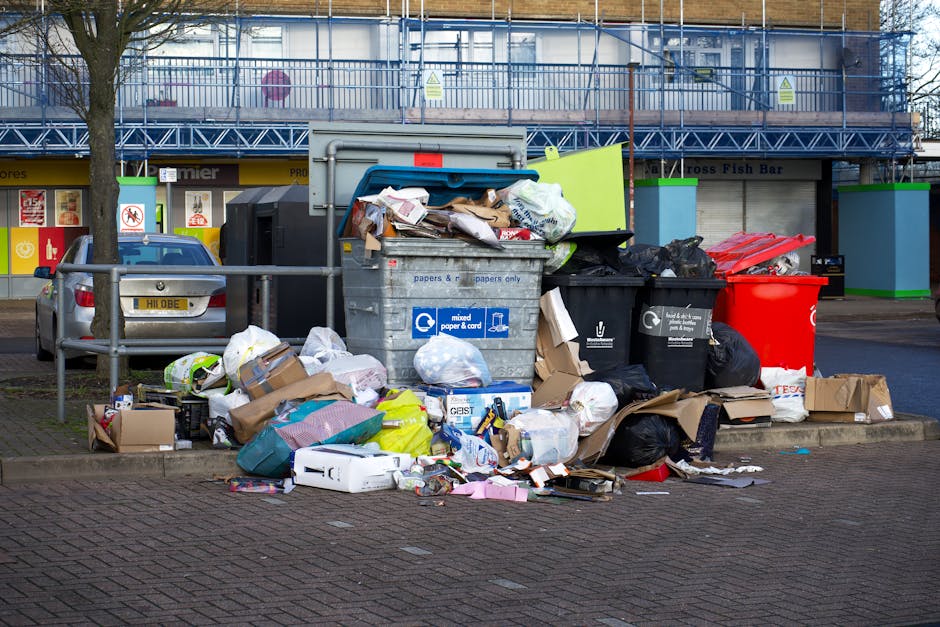
Bulky rubbish around Elephant and Castle station is not just a "big rubbish" issue. It is a logistics issue. The station area sits in one of London's busiest, most connected, and most constantly moving neighbourhoods, which means access can be awkward and collections need a bit of forethought. A sofa left at the wrong time can block foot traffic. A mattress dragged to the kerb too early can become a nuisance. And if the item is not collected quickly, it may start to look like fly-tipping, even if that was never the intention.
That matters for residents, landlords, shop owners, and anyone doing a move-out or clear-out. It also matters for local image. In a place where people are walking to trains, buses, work, and late-night venues, the street scene changes fast. One messy corner can make a whole frontage look untidy. If you have ever stepped off a train at 8:30am and seen a pile of broken chairs and an old chest of drawers by the pavement, you will know the feeling. Not ideal.
For many people, the real challenge is not the item itself. It is deciding how to deal with it: reuse, donate, separate for recycling, arrange collection, or book a full clearance. This guide helps you make that call sensibly. It also helps you avoid the kind of small mistakes that turn a simple job into a repeated headache.
If you are living locally, you may also find it useful to read about whether Elephant and Castle suits everyday living and the wider feel of local life in this part of London. Those pieces give helpful context when you are planning home clear-outs or thinking about long-term property use.
How Elephant and Castle station bulky rubbish collection guide Works
In plain English, bulky rubbish collection is the removal of large items that do not fit into your standard household bins. Think furniture, white goods, beds, carpet rolls, office chairs, shelving, and similar awkward objects. In a station area, the important bit is not just the removal itself, but the access and timing around it.
Most bulky collection jobs follow a simple pattern:
- You identify the items and check whether they can be reused, recycled, or need disposal.
- You separate anything hazardous or specialist that needs different handling.
- You decide whether the job is a one-off pickup, a room clearance, or a larger waste removal job.
- You schedule a suitable collection time that works with access, traffic, and building rules.
- The items are removed, loaded safely, and taken for sorting, reuse, or disposal.
That sounds straightforward, but the local reality is where the detail matters. At Elephant and Castle station, collections can be affected by apartment access, lift restrictions, basement storage, shared entrances, loading space, and the usual London mix of busy pavements and impatient clocks. Sometimes the hardest part is simply getting a sofa from the third floor to street level without bumping a wall or blocking the hallway. Truth be told, that is where most of the planning goes.
For larger or mixed loads, people often compare a simple bulky item pickup with a broader waste clearance service in Elephant and Castle. That wider approach can be helpful when you have a few different item types and want the lot handled in one go.
Key Benefits and Practical Advantages
There is a reason people choose bulky rubbish collection instead of trying to break everything apart and deal with it over several weekends. It is faster, cleaner, and usually safer. Around a station area, the benefits go beyond convenience.
- Less clutter at home: One collection can open up a room, a hallway, or a storage cupboard in minutes.
- Better safety: Heavy lifting and awkward carrying are where injuries happen. A proper collection reduces that risk.
- Cleaner communal areas: In flats and managed buildings, fast removal helps keep entrances and shared spaces clear.
- More predictable timing: You are not leaving items to sit around while you wait for bins or ad hoc help.
- More suitable for mixed loads: A good service can handle furniture, appliances, and other bulky pieces together.
- Improved recycling outcomes: If items are sorted properly, more can be reused or recycled instead of dumped.
There is also a practical mental benefit, and it is easy to underestimate that. A room full of surplus furniture can make a move feel ten times bigger than it actually is. Once the bulky stuff is gone, the job suddenly feels manageable again. You can see the floor. You can measure the next step. Small win, but it matters.
For readers weighing disposal against reuse, the site's recycling and sustainability information is useful background. It helps frame why sorting and responsible disposal are worth caring about, even for a one-off job.
Who This Is For and When It Makes Sense
This guide is for anyone near Elephant and Castle station who needs to remove items too large for normal waste streams. That includes different kinds of situations, and each one has its own little complications.
Homeowners and tenants: You may be replacing furniture, clearing a spare room, or dealing with end-of-tenancy clutter. A sofa and mattress are classic bulky collection items, and they are awkward enough without stairs involved.
Landlords and letting agents: When a tenant leaves behind furniture, appliances, or random bits and pieces, speed matters. You want the property ready for cleaning, photos, and the next occupant. If that sounds familiar, the article on rubbish removal tips for landlords in SE17 is a practical companion read.
Businesses and offices: Old desks, broken task chairs, redundant filing cabinets, and packaging waste can all add up quickly. For commercial spaces, a disposal plan is often easier than trying to coordinate multiple bin lifts.
Builders and renovators: Not every load is construction waste, but renovation projects often generate chunky offcuts, packaging, and damaged fittings. Those loads may be better handled through builders waste disposal in Elephant and Castle if the material is linked to works on site.
People handling a full property clear-out: Sometimes one collection is not enough. If a loft, garage, or office has become a long-term storage cave, a fuller approach like house clearance, loft clearance, or office clearance may be the cleaner option.
Step-by-Step Guidance
If you want the job to go smoothly, follow a simple sequence. Nothing fancy. Just good preparation.
- List the items clearly. Write down each bulky item and note whether it is broken, reusable, or still in decent condition. This helps avoid vague estimates and last-minute surprises.
- Measure the awkward stuff. Doorways, stair turns, lifts, and corridor widths can be the real issue. A sofa that "should fit" often does not, at least not without some grumbling and a scratched wall.
- Separate special items. White goods, appliances, and electronics often need a different handling approach from general furniture. If you have fridges, washing machines, or similar units, look at white goods and appliance disposal.
- Sort what can be reused or donated. A solid chair, a clean table, or a working appliance may have life left in it. Not everything needs to be thrown away.
- Check access and timing. Think about building rules, lift bookings, parking restrictions, and whether collection needs to happen at quieter times.
- Choose the right disposal route. One item? A few items? Or a full mixed load? The answer usually decides whether you need a basic collection or a broader clearance.
- Prepare the items safely. Remove loose contents, tape drawers closed if needed, and keep sharp edges under control. It sounds minor, but it prevents damage and accidental cuts.
- Get confirmation on what is included. Make sure the collection covers lifting, loading, and disposal, not just curbside removal.
A useful rule of thumb: if you are spending more time organising the waste than you would spend simply having it removed, the job is probably bigger than a casual DIY approach. That is the moment to stop improvising.
Expert Tips for Better Results
Here are the things that make bulky rubbish jobs easier in real life, not just on paper.
- Take a quick photo of each item. Photos help with planning, especially for mixed loads. They also reduce misunderstandings about size or condition.
- Put the biggest item first in your plan. If a wardrobe will not fit through the hall, solve that before dealing with anything smaller.
- Group similar materials. Wood, metal, and appliances often move through different recovery routes, so sorting saves time later.
- Avoid leaving items in shared spaces. In flats near the station, communal hallways can become clutter magnets if you leave things "just for a minute."
- Think about the end state. Are you clearing for a sale, a re-let, a refurb, or just to reclaim storage space? Your end goal changes the best method.
- Use the right service for the right job. A single sofa does not need the same solution as a full flat clearance. Keep it proportionate.
And one tiny but genuine tip: do the prep before you are tired. Not at 9pm after a long day, with a bin bag in one hand and a screwdriver in the other. That way lies regret.
It is also worth checking practical service basics such as insurance and safety, especially if you are dealing with stairs, bulky glass, or heavy white goods. Safe handling is not a nice extra; it is part of a properly run job.

Common Mistakes to Avoid
Most bulky rubbish problems come from a handful of avoidable mistakes. The good news is they are easy to fix once you know what they are.
- Leaving it too late: People often wait until the day before a move or inspection. That is when access problems and scheduling pressures bite.
- Not separating item types: Mixing general furniture with appliances or renovation waste can create confusion and delay the collection.
- Underestimating access issues: A narrow stairwell, low ceiling, or awkward entrance can turn a small job into a team effort.
- Assuming everything can go together: Some items need specialist handling, and not everything belongs in one load.
- Placing items out in public too early: Near a station, this can create obstruction or attract the wrong kind of attention.
- Using an unverified operator: If you are hiring someone, check they are properly set up for waste work and that you understand their responsibilities.
A quick example: someone clears a bedroom, sets a bed frame and mattress outside before dawn, and assumes collection will happen "sometime today." By mid-morning, the pavement is busy, the item is wet from rain, and the whole thing looks messy. Avoid that. Really, avoid that.
Tools, Resources and Recommendations
You do not need a warehouse full of equipment to handle bulky rubbish well. A few simple tools make a big difference.
- Measuring tape: Essential for doors, stair turns, lift openings, and furniture dimensions.
- Work gloves: Useful for grip and protection when handling rough edges or dusty items.
- Strong tape or straps: Helpful for securing drawers, doors, and loose parts.
- Protective blankets or wrapping: Good for shielding walls, floors, and lift interiors during removal.
- Trolley or sack truck: Useful for heavier appliances and awkward loads where safe movement is possible.
For service planning, the most useful website pages are usually the ones that explain what a provider actually does and how they work. The services overview is a good place to understand the wider range of waste help available, while pricing and quotes can help you think through the commercial side before you commit.
If you are comparing service styles, also keep an eye on the small stuff: whether collection includes loading from inside the property, whether heavy lifting is covered, and whether the team can handle mixed waste types. That is where value is usually won or lost, not in the headline phrase.
Law, Compliance, Standards, or Best Practice
For bulky waste, the legal and practical concern is simple: your waste must be handled responsibly and passed to a properly authorised carrier. In the UK, it is normal to expect that waste is collected, transported, and managed in a way that avoids fly-tipping, unsafe disposal, or poor recycling practice. If you are hiring help, it is sensible to check that the business is operating compliantly and understands its duties.
Best practice also means being honest about what the load contains. If an item is contaminated, damaged in a particular way, or includes anything unusual, say so up front. It is much better to be slightly over-informative than to have a load refused or delayed on arrival. That is one of those small details that saves everyone time.
For customers, another good habit is to review waste carrier licence and compliance information before booking any removal work. That kind of due diligence is boring, yes, but boring in the best possible way.
It is also worth understanding the basic service terms. Pages like terms and conditions, privacy policy, cookie policy, and payment and security are not exciting reading, but they help set expectations clearly. In a busy part of London, clear expectations are underrated.
In short: use a responsible collector, disclose the waste accurately, and keep the process tidy from start to finish.
Options, Methods, or Comparison Table
Not every bulky item needs the same solution. Here is a simple comparison to help you choose.
| Option | Best for | Pros | Watch-outs |
|---|---|---|---|
| Single bulky item pickup | One or two large items | Simple, quick, often cost-effective | Less suitable for mixed or heavy loads |
| Furniture removal | Sofas, beds, wardrobes, tables | Good for home refreshes and move-outs | May need help with stairs or access |
| Appliance disposal | Fridges, washing machines, cookers | Handles awkward, heavy units properly | Needs clear item details in advance |
| House clearance | Multiple rooms or whole-property clear-outs | Most efficient for major clearances | Usually more involved than a one-off pickup |
| Office clearance | Desks, chairs, cabinets, old stock | Useful for business moves and refurbishments | Requires planning around access and downtime |
| Waste clearance | Mixed bulky waste plus general clutter | Flexible for varied loads | Needs accurate item breakdown |
If your job is mostly old furniture, a dedicated furniture removal service or furniture disposal option may be a cleaner fit. If the load is mixed and includes more than one waste type, then a broader solution usually makes more sense.
Case Study or Real-World Example
Let us take a realistic example from a flat near Elephant and Castle station. A tenant is moving out on a Friday, and the property has a worn sofa, a broken chest of drawers, two office chairs, and a washing machine that no longer works. On top of that, there are a few bags of mixed household items from the hallway cupboard. Not a disaster, but definitely too much for ordinary bin collection.
The first mistake would be to treat it as five separate problems. Better to look at it as one coordinated clearance. The sofa and drawers can be grouped as furniture, the washing machine as an appliance, and the loose items as part of a broader waste load. Because the building has a narrow entrance and a shared lift, the team needs access details in advance. The landlord also wants the space ready for cleaning the same day. Very typical, honestly.
By planning the collection around access and item type, the job is completed in one visit rather than dragging on for days. No one has to abandon a sofa in the hallway. No one is trying to move a washing machine at 8pm. And the property can move straight into the next stage, whether that is repair, cleaning, or relisting.
That kind of simple organisation is exactly why bulk collection works so well in a station area. The surroundings are busy, the timetable is tight, and a tidy plan keeps everything calm. More or less.
Practical Checklist
Before booking or arranging bulky rubbish collection, run through this checklist.
- Have I listed every bulky item clearly?
- Do any items need special handling, such as appliances or renovation waste?
- Have I measured doorways, stair turns, and lift access?
- Is there safe access from the property to the collection point?
- Have I checked whether items can be reused or donated?
- Do I know whether this is a small pickup or a bigger clearance?
- Have I told the collector about any awkward lifting or fragile surroundings?
- Are the items ready to move, with loose parts secured?
- Have I checked the booking terms and payment details?
- Will the collection leave the property clean and ready for the next step?
If you are still undecided, a broader service like rubbish collection in Elephant and Castle or waste disposal in Elephant and Castle may be more flexible than trying to split everything into tiny separate jobs.
Key takeaway: the smoother the preparation, the faster the collection, and the less likely you are to face a last-minute scramble. That is usually where the savings are hiding.
Get a free quote today and see how much you can save.
Conclusion
A good bulky rubbish collection near Elephant and Castle station is really about control: control over timing, access, item sorting, and the final result. The station area is busy enough without adding unnecessary clutter to your day. When you plan the load properly, separate the item types, and choose the right disposal route, the whole process becomes much easier than people expect.
Whether you are clearing one awkward sofa or handling a full flat turnaround, the most useful thing you can do is prepare early and keep the job simple. That is the honest answer. Not glamorous, but effective.
And if the stack of unwanted stuff has been bothering you for a while, there is a real relief in getting it gone. Clean floor, clear hallway, fresh start. Sometimes that is enough.