Heygate Estate garden rubbish clearance and waste removal
Posted on 30/06/2026
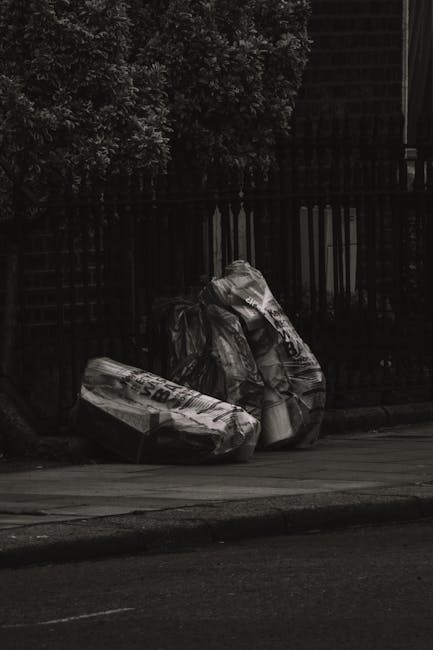
If your garden, yard, balcony, or communal outdoor space at Heygate Estate has started to feel more cluttered than calm, you are not alone. Broken planters, hedge cuttings, soil bags, old fence panels, and the odd mystery pile can build up quickly, especially after a weekend tidy-up or a bigger seasonal clear-out. This guide to Heygate Estate garden rubbish clearance and waste removal walks you through how the process works, what to expect, what to avoid, and how to keep things simple without making a whole Saturday disappear.
Truth be told, garden waste is one of those jobs that looks small until you start moving it. Then suddenly there is a mountain of green cuttings, a stubborn bit of timber, and maybe a rusted chair you meant to deal with last summer. The good news? With the right approach, it can be cleared quickly, safely, and with far less hassle than many people expect.
Why Heygate Estate garden rubbish clearance and waste removal matters
At first glance, garden rubbish may seem harmless. A few cuttings here, an old flower pot there, maybe a broken trellis leaning by the fence. But outdoor waste has a habit of spreading, getting wetter, and becoming much more awkward than it should be. In a busy London setting like Heygate Estate, that matters even more because space is limited and access can be tight.
Well-managed garden clearance does more than make a space look neat. It helps reduce trip hazards, discourages pests, and stops damp organic material from turning into a muddy mess. It also protects the garden itself. If you leave old branches, turf, or heavy rubbish on top of planted areas, you can damage roots, block drainage, and make future maintenance harder. Not ideal.
There is also the simple neighbour factor. Shared outdoor areas, rear access ways, and bin storage zones can become frustrating quickly if waste is left in the wrong place. A tidy, well-cleared area feels better to use, better to look at, and better to maintain over time. That's especially true where people want small pockets of greenery to feel like proper outdoor space, not a dumping ground.
If your clean-up is part of a wider property refresh, it can be worth looking at related local services too, such as general waste clearance in Elephant and Castle or, for heavier mixed items, rubbish collection across Elephant and Castle. The right service depends on what you have, not just how much of it there is.
How Heygate Estate garden rubbish clearance and waste removal works
Most garden rubbish clearance jobs follow a fairly straightforward pattern. The team assesses what needs removing, checks access, confirms whether any items need separate handling, and then loads everything for disposal or recycling. It sounds basic, but the details matter. A pile of hedge cuttings is not treated the same way as broken paving, soil-filled planters, or old timber soaked through from weeks of rain.
In practical terms, you can expect the work to involve a few common steps:
- Sort the waste into green waste, mixed waste, and any bulky or awkward items.
- Check access for gates, narrow paths, shared walkways, or parking restrictions.
- Identify hazards such as nails, glass, sharp metal, mouldy materials, or heavy bags of soil.
- Load the waste safely using the right handling method for each item.
- Transport it for disposal or recycling in line with waste type and local best practice.
For garden work specifically, green waste is usually the easiest to process because it can often be recycled or composted where facilities allow. Mixed garden rubbish is more complicated. Think plant cuttings mixed with old plant pots, wire mesh, cracked slabs, or bits of furniture that were never quite "outdoor" furniture to begin with. That is where a service like garden waste removal in Elephant and Castle becomes especially useful.
If the garden job is part of a bigger clear-out, you may also need house clearance support in Elephant and Castle or even furniture disposal if old patio sets, broken benches, or storage cabinets are being removed too. Little jobs have a sneaky way of becoming bigger ones.
Key benefits and practical advantages
The biggest benefit is obvious: you get your space back. But there are several other advantages that matter just as much in real life.
- Cleaner outdoor space: A clear garden feels brighter, larger, and easier to enjoy, even if it is only a small courtyard or shared yard.
- Less physical strain: Bags of soil, damp cuttings, and old timber are heavier than they look. Moving them properly saves your back and your weekend.
- Better recycling potential: Separating green waste from mixed rubbish improves the chance that suitable materials can be diverted from landfill.
- Reduced mess indoors: When garden rubbish is dragged through hallways, lift areas, or entryways, mud and debris often follow. Nobody wants that.
- Faster turnaround: A well-planned clearance can be completed much faster than multiple trips to a disposal site.
- Less risk of complaints: In shared developments, tidy communal edges and access routes make life easier for everyone.
There is also a quieter benefit that people overlook: momentum. Once the garden is cleared, other tasks suddenly feel more manageable. You can see where to prune, where to replant, and what actually needs replacing. A cluttered garden hides decisions. A cleared garden makes them obvious. Sometimes annoyingly so, but still useful.
If the wider property is under review, you might also find our local content helpful, such as whether Elephant and Castle is a good neighbourhood to live in or a guide to local living in Elephant and Castle. Not because it changes the rubbish, of course, but because local context shapes how outdoor spaces are used and maintained.
Who this is for and when it makes sense
Heygate Estate garden rubbish clearance and waste removal is not just for large houses with big gardens. In fact, some of the most common jobs are in smaller, more awkward spaces where waste builds up quietly over time.
This service makes sense if you are:
- a homeowner dealing with seasonal garden cutbacks;
- a tenant clearing an outdoor area before moving out;
- a landlord preparing a property for viewings or new occupants;
- a managing agent tidying a shared courtyard or communal strip;
- a small business with external planting, frontage, or yard waste;
- someone who has started a garden project and realised the waste pile is now the project.
It is also useful after weather changes. A wet spell can flatten beds and break branches; a windy week can scatter litter, leaves, and lightweight debris in every direction. Around spring and early autumn, you often see the same pattern: people do the first tidy-up, then the pile becomes too much for a normal bin day. That is when a proper clearance starts to look less like a luxury and more like common sense.
If access is tricky, or if the job includes bulky items like old decking panels, broken shelving, or shed parts, it may be better handled as part of a broader waste disposal service in Elephant and Castle. That gives more flexibility when the waste mix is messy. And garden waste, let's face it, is often a bit messy.
Step-by-step guidance
If you want the job to go smoothly, start with a simple plan. It does not need to be complicated. In fact, overcomplicating it is how people end up with half-filled bags, a blocked pathway, and no idea where the rake went.
- Walk the space first. Look for everything that needs to go, including hidden corner waste, broken pots, and items under shrubs or behind sheds.
- Separate green waste from hard waste. Put cuttings, branches, leaves, and grass aside from timber, metal, plastic, and rubble.
- Check for awkward items. Soil-filled planters, old sleepers, pallets, paving remnants, and damaged fence sections may need special handling.
- Clear a route. Make sure gates, doors, and paths are open so loading can happen without dragging debris everywhere.
- Bundle or bag sensibly. Lightweight cuttings can be bagged, but overfilling makes lifting harder and increases the chance of tearing.
- Keep children and pets away. Tools, sharp branches, and open piles are not great for small hands or curious noses.
- Decide what gets recycled. Clean wood, plant material, and certain metals are often better kept separate where possible.
- Book removal at the right time. A morning slot can be useful if you want the garden back before the afternoon heat or before guests arrive later that day.
For mixed jobs, a provider may combine garden clearance with rubbish collection or a more general services overview package so the work is handled in one visit. That is often easier than trying to piece together several separate collections.
One thing people often forget: photograph the space before and after if you are a landlord, letting agent, or property manager. It is a small habit, but it helps when there is later confusion about what was left behind and what was removed. Very handy, really.
Expert tips for better results
The best garden clearances are not necessarily the biggest. They are the best prepared. A few small decisions can save time and reduce disposal costs, especially where waste is mixed or access is limited.
- Keep green waste clean. Avoid mixing in soil bags, broken plastic, or food waste. Cleaner loads are easier to process.
- Flatten bulky but lightweight items. Empty compost bags, broken plant trays, and dismantled lightweight planters take up far less room when compressed.
- Don't overwater before clearing. Damp waste is heavier. If you are planning ahead, avoid soaking the pile first.
- Strip down what you can safely dismantle. A broken trellis or small shed panel may be easier to move in sections than as one awkward lump.
- Flag anything potentially hazardous. Rusty metal, treated timber, glass, or sharp edging should be identified early.
- Use the right service for the right job. A clear split between garden waste, general rubbish, and bulky items prevents confusion later on.
If you are also dealing with building work near the garden, such as a new path, boundary fix, or patio repair, then a linked service like builders waste disposal in Elephant and Castle may be more suitable for the heavy debris side of the job. Garden projects often spill into construction waste without warning.
Another small but useful tip: if the waste is spread out across beds and borders, clear the heaviest and most awkward items first. That gives you room to work and makes the rest feel less chaotic. It's a tiny psychological win, but those matter.
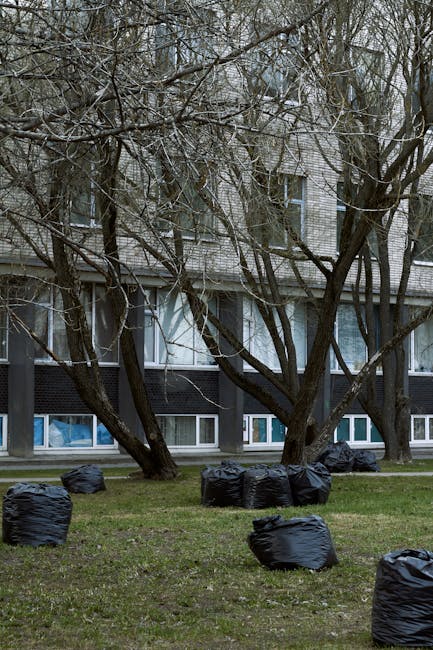
Common mistakes to avoid
A surprising number of clearance problems come from avoidable mistakes, not difficult circumstances. The garden looked manageable. Then it wasn't.
- Mixing all waste together: When green waste, rubble, and general rubbish are thrown into the same pile, sorting becomes slower and sometimes more expensive.
- Leaving heavy bags for later: Damp compost, soil, and wet leaves get much heavier by the afternoon. Later usually means worse.
- Ignoring access issues: Narrow gates, locked side paths, or shared entrances can slow the job more than the waste itself.
- Forgetting hidden waste: Items tucked behind sheds, under shrubs, or at the bottom of beds are easy to miss.
- Assuming all garden waste is the same: It is not. Fresh cuttings, treated timber, and old fencing do not belong in the same treatment stream.
- Not planning around neighbours: Shared spaces need a bit of courtesy. A quick heads-up can make a big difference.
There is a second mistake that sounds minor but causes real headaches: waiting until waste is overflowing before acting. Once a pile gets wet and compacted, it becomes harder to load, harder to sort, and less pleasant for everyone involved. No mystery there.
If you want to avoid the usual pitfalls, the page on waste carrier licence and compliance is useful background reading. It does not make the garden cleaner by magic, but it helps you understand what proper handling should look like.
Tools, resources and recommendations
You do not need a shed full of specialist equipment to manage a decent garden clearance, but a few practical tools do make life easier.
| Tool or resource | Best use | Why it helps |
|---|---|---|
| Heavy-duty garden waste bags | Leaves, cuttings, light debris | Easy to move and less messy than loose piles |
| Work gloves | Branches, thorny plants, rough timber | Reduces cuts, scratches, and splinters |
| Pruning shears or loppers | Small branches and shrub reduction | Makes waste easier to bundle |
| Wheelbarrow or sturdy tub | Transporting loose waste to a loading point | Saves repeated carrying by hand |
| Tarpaulin | Temporary staging area for mixed waste | Keeps paths cleaner and contains debris |
| Professional waste removal service | Bulky, mixed, or time-sensitive jobs | Fast removal with less lifting and less stress |
For people who want the least disruption, a professional collection is often the simplest route. It is especially helpful if the job also includes furniture, broken outdoor storage, or leftover DIY material. In those cases, a combination of furniture removal and furniture disposal can make the whole process cleaner and more efficient.
If your priority is environmental handling, it is sensible to ask how waste is sorted and whether recyclable material is kept separate. Our recycling and sustainability approach explains the kind of thinking that should sit behind a responsible removal job.
Law, compliance, standards, and best practice
Garden rubbish clearance may feel informal, but proper waste handling still matters. In the UK, householders and businesses should be careful about who removes their waste and where it ends up. A common-sense standard applies: if someone is taking your rubbish away, they should do so legally and responsibly.
For garden waste, the most important practical points are simple:
- Use a legitimate waste carrier. This helps reduce the risk of fly-tipping or improper disposal.
- Separate hazardous or awkward material. Sharp metal, treated timber, and unknown items should be identified rather than hidden in the load.
- Keep records where relevant. Landlords, agents, and businesses often need a clear paper trail for clearance work.
- Follow local access and safety rules. Shared areas, fire exits, and communal walkways should not be blocked.
- Use appropriate handling for green waste. Where possible, it should be directed toward recycling or composting routes rather than general disposal.
If you operate in a managed building or mixed-use area, it is also worth checking any internal rules around loading times, shared courtyards, and access restrictions. These are not dramatic legal issues most of the time, just the practical bits that can derail a perfectly ordinary collection if nobody has thought them through.
For wider trust and service standards, it can help to review pages like insurance and safety, terms and conditions, and about us. They are not glamorous reads, admittedly, but they tell you a lot about how a provider works.
Options, methods, and comparison table
There is no single best way to clear a garden. The right method depends on volume, access, waste type, and how quickly you want it gone. Here is a simple comparison.
| Method | Best for | Pros | Trade-offs |
|---|---|---|---|
| DIY bagging and council-style trips | Very small amounts of clean green waste | Low direct cost, simple if you already have transport | Time-consuming, physically hard, not ideal for bulky or mixed waste |
| Skip hire | Large renovation or landscaping projects | Useful for ongoing work, can take mixed material | Needs space, permits may be needed, can be overkill for modest jobs |
| Professional garden waste removal | Medium to large garden clearances, awkward access, quick turnaround | Fast, convenient, less lifting, often better for mixed waste | Cost depends on volume and type of waste |
| Combined waste clearance | Gardens with added furniture, general rubbish, or DIY waste | One visit can solve several problems at once | Requires clear sorting and a bit of pre-planning |
For many Heygate Estate properties, the sweet spot is usually a professional collection with a clear brief. It is tidy, quick, and far less stressful than juggling several waste streams on your own. If you also need broader support, a local clearance service may be the best fit.
Case study or real-world example
Here is a realistic example. A resident near Heygate Estate had a small rear garden that had become, over one damp spring, a mix of hedge cuttings, broken terracotta pots, an old parasol base, and two tired wooden chairs that had clearly survived one season too many. Nothing dramatic. But it looked worse every time they opened the back door.
They started by sorting the pure green waste into bags and setting aside the broken timber and mixed rubbish. The hardest part, as usual, was not the lifting. It was deciding what was actually rubbish and what was just "maybe usable later." You know the type. Later never comes.
Once everything was grouped, the clearance became much easier. Green waste went separately from the heavier mixed items, the route through the property stayed clean, and the garden was left usable the same day. Afterward, the space felt bigger, the planting beds were visible again, and the resident could finally start on a simple refresh rather than staring at a neglected corner every morning.
That is a small example, but it captures the real value of this kind of work: not just removal, but reset. A garden does not need to be grand to benefit from being properly cleared.
Practical checklist
Use this checklist before booking or starting your clearance. It keeps things organised and prevents the annoying last-minute surprises.
- Walk the garden and identify every item that needs removing.
- Separate green waste, mixed rubbish, timber, rubble, and bulky items.
- Check access through gates, side passages, stairwells, or shared areas.
- Move pets and keep children away from the work zone.
- Set aside anything hazardous, sharp, or unusually heavy.
- Confirm whether furniture, appliances, or DIY waste are included.
- Take photos if you need a record for a tenancy or management file.
- Ask about recycling options for suitable green waste.
- Make sure the collection timing suits neighbours and building rules.
- Keep the loading area clear so the work can be done efficiently.
Quick expert summary: the best garden rubbish clearance is the one that is planned before the pile grows legs. Sort early, keep access clear, and treat green waste separately from hard waste wherever possible. That is usually where the biggest time savings come from.
If you are ready to clear the space properly, it is worth speaking to a local team that understands garden waste, bulky rubbish, and the realities of working around London access. A tidy garden is a small thing, maybe, but it can change how a place feels the moment you step outside.
Get a free quote today and see how much you can save.
Conclusion
Heygate Estate garden rubbish clearance and waste removal is about more than getting rid of a pile. It is about reclaiming outdoor space, reducing stress, and making sure the waste is handled properly from start to finish. Whether you are dealing with seasonal cuttings, old garden furniture, or a mixed clear-out after a project, the best results usually come from simple planning and the right service for the waste in front of you.
Keep the job tidy, separate what can be separated, and do not let a small pile become a long-term problem. A clean garden feels different. Quieter, somehow. More yours.


 Tipper Van - Rubbish Removal and Waste Clearance Prices in Elephant and Castle, SE1
 Luton Van - Rubbish Removal and Waste Clearance Prices in Elephant and Castle, SE1